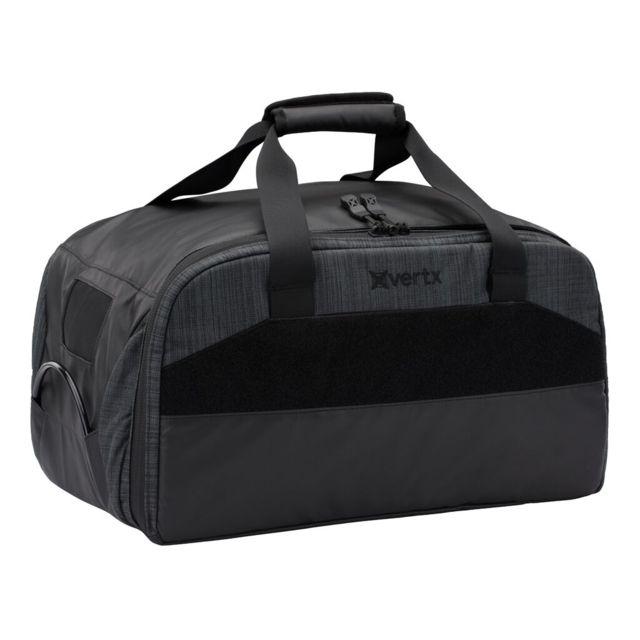
Range Pack Guide
Pack Philosophy
A range pack is a training-day continuity kit. It is built so the day is spent shooting safely and fixing small problems instead of borrowing gear, hunting for tape, or ending early because an optic screw loosened. Administrative Results, Brownells, and MidwayUSA's range-bag guidance all repeat the same priorities: eye and ear protection first, trauma medical within reach, then tools, lube, targets, and sustainment. A range pack can be a shoulder bag or backpack, but it should be organized enough that safety gear is not buried under magazines and loose boxes.
Safety And Medical
The first layer is safety. Electronic muffs preserve range commands, foam plugs allow doubling up indoors, and ballistic eye protection is non-negotiable. Trauma medical rides high and staged: C-A-T tourniquet, compact IFAK, chest seals, Combat Gauze, and shears. Ranges are controlled environments, but firearms still create the exact injuries that require immediate action. The kit should be reachable by the shooter and obvious to a bystander.
Tools And Gun Support
The second layer keeps guns running. Mag loaders save time and thumbs during high-round-count days. A multi-tool, torque driver, CLP, bore snake, batteries, chamber flags, snap caps, and a shot timer cover the most common stoppages to training flow: dry guns, loose mounts, dead electronics, and no repeatable performance standard. Targets, staple gun, tape, and Sharpie keep the range admin layer self-contained.
Human Sustainment
The pack also supports the shooter. Water, electrolytes, snacks, gloves, and sunscreen prevent a simple training day from becoming a heat, fatigue, or skin problem. Those items are not tactical, but they keep reps productive. A bag that only carries hardware ignores the human carrying it.
Packing Order
A range pack should be arranged around the order of a training day. Eye and ear protection sit on top or in an outside pocket because they go on before the line goes hot. Medical should be visible and reachable with one hand. Tools, CLP, bore snake, torque driver, batteries, and chamber flags can share a maintenance pouch. Targets, tape, markers, and stapler ride together so target changes do not require digging through medical or electronics. Snacks, electrolytes, sunscreen, and gloves can live in the human-support layer. Keep ammunition separate from admin tools so a loose bottle of oil or staple box does not spill into magazines.
Range Workflow Notes
The goal is to reduce friction. Before leaving for the range, check that the muffs have batteries, the timer powers on, the staple gun has staples, the Sharpie writes, and the trauma kit is sealed and complete. Put the tourniquet where someone else can find it quickly, not hidden in a zip pocket only you understand. If the bag carries multiple firearm systems, use small pouches or labels so pistol loader, rifle loader, bore snake, and optic tools do not mix. At the end of the day, replace used targets, tape, batteries, water, and snacks before storing the pack. A range bag that is always half empty becomes a source of delays instead of a solution.
Builder Notes
The shared build attached to this guide is meant to be cloned and adjusted, not treated as a locked prescription. Prices change, stock changes, and some rows are planned research imports that should be reviewed before the SQL is committed. After cloning, start by confirming the pack size and then replace any item that does not fit your climate, body size, training level, legal environment, or mission. Keep the categories intact while swapping products: water stays water, medical stays medical, shelter stays shelter, and admin stays admin. That discipline is what keeps a pack from turning into a random wish list. If the builder shows a category with too many broad results, use the default query as a narrowing hint and choose the closest stocked equivalent. Confirm the final packed bag before every live-fire trip.
Video References
This guide credits Administrative Results' What's in My Range Bag?, Brownells' Quick Tip: What's In Steve's Range Bag?, the archived Garand Thumb range-bag material noted in the research, and MidwayUSA's Shooting Range Bag Essentials 101. The common lesson is simple: if it prevents a safety failure or keeps training moving, it earns a place.
The Build
Guide- $238.99
- $130.00
- $88.87comms_powerWalker's Razor Slim Electronic Ear Muff
- $190.00
- $17.99
- $85.00admin_pouchESS Crossbow 2LS Ballistic Eyeshield Kit
- $34.99
- $125.00
- $17.99
- $46.50
- $80.00
- $34.00
- $26.00
- $129.95
- $120.00
- $11.49
- $19.99
- $130.00
- $18.00
- $6.99
- $7.95
- $25.00toolsArrow T50 Staple Gun
- $10.00admin_pouchSharpie Sharpie and Blue Painters Tape Kit
- $10.00admin_pouchGeneric Chamber Safety Flags 5 Pack
- $20.00comms_powerGeneric AAA CR123A CR2032 Battery Assortment
- $20.00
- $17.00hydrationNalgene 32oz Wide Mouth Bottle
- $15.00food_rationsLiquid I.V. Electrolyte Drink Mix Packets
- $18.00food_rationsClif Bar Variety Pack Energy Bars
- $12.00field_shelterSun Bum SPF 50 Sunscreen