Med Pack Guide
Pack Philosophy
A dedicated med pack is an IFAK-plus system for treating other people, not just yourself. PrepMedic's current medic-bag loadout, his from-scratch medical-bag video, and SkinnyMedic's trauma-kit build all organize the bag around the same reality: the first minutes are about the preventable killers. Massive hemorrhage, airway, respiration, circulation, and hypothermia drive the layout. The bag should open cleanly, show the provider where each class of gear lives, and carry enough duplication that one wound or one patient does not empty the system.
Bag And Hemorrhage Control
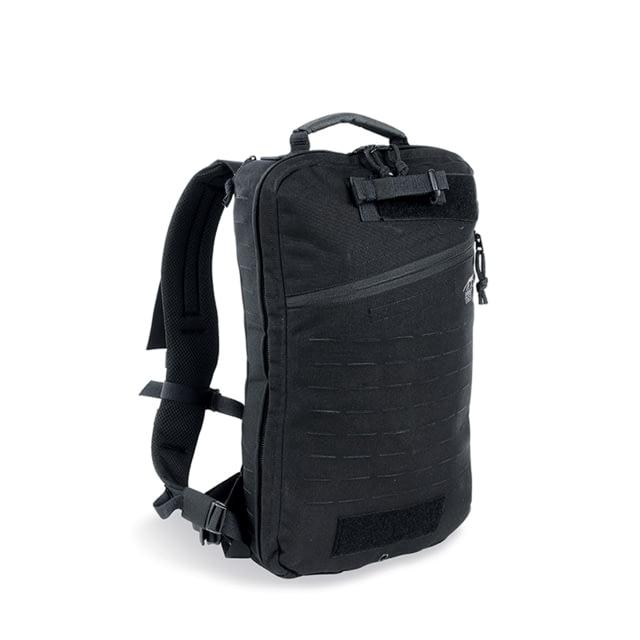
The pack itself needs medical organization, not just volume. The Tasmanian Tiger Medic Assault Pack pattern gives enough panel space for labeled modules and fast access. Hemorrhage control is duplicated because bleeding is the threat you can treat fastest and because a single tourniquet is rarely enough. Two C-A-T tourniquets, a SOF-T backup, Combat Gauze, compressed gauze, ETD, OLAES, tape, elastic wraps, triangular bandages, gloves, and shears form the core. These are the items that should be easiest to see and reach.
Airway, Chest, Splinting, And Exposure
Airway and breathing gear follow behind bleeding control: NPA, HyFin chest seals, and a compact BVM for users trained and authorized to use it. Splints, burn dressing, eye shields, saline, and a small medications or boo-boo module cover problems that are less immediate than arterial bleeding but still common on ranges, vehicles, and field movements. Hypothermia gear is included because trauma patients lose heat quickly, even in warm weather, and a blanket or wrap weighs little compared with the cost of not having it.
Provider Support And Documentation
A medic bag also supports the provider. Headlamp, casualty marker light, Sharpie, TCCC cards, a water bottle, electrolytes, and a calorie bar keep treatment documented and sustainable. The provider who cannot see, mark, write, hydrate, or keep working becomes part of the problem. This build stays within civilian trauma scope and leaves ALS-only surgical airway or drug modules out of the guide.
Packing Order
The med pack should open to a predictable layout. Bleeding control gets the fastest access: tourniquets, hemostatic gauze, compressed gauze, pressure dressings, gloves, and shears. Chest seals and airway gear should sit next, separated enough that they are not confused with bandages. Splints, wraps, burn dressing, eye shields, irrigation, and minor-care supplies can live deeper or in labeled pouches. Documentation and marker should be attached where they cannot disappear. The headlamp should be accessible from the outside or top of the bag because many medical problems happen in bad light.
Training And Restock Notes
A med pack is only as useful as the person opening it. Every item in this build should be something the owner can identify by touch, explain to another person, and replace after use. Mark expiration dates on consumables, especially hemostatic gauze, chest seals, medications, and sterile items. Keep a simple restock card in the admin sleeve listing quantities: two tourniquets, gauze, pressure dressing, chest seals, gloves, tape, shears, and documentation. After any class, range day, or real incident, restock immediately before the bag goes back into service. Do not bury this bag under cargo or lock it in a vehicle compartment during live-fire events. The whole reason for a backpack format is that it can move to the casualty rather than forcing the casualty to move to the kit.
Builder Notes
The shared build attached to this guide is meant to be cloned and adjusted, not treated as a locked prescription. Prices change, stock changes, and some rows are planned research imports that should be reviewed before the SQL is committed. After cloning, start by confirming the pack size and then replace any item that does not fit your climate, body size, training level, legal environment, or mission. Keep the categories intact while swapping products: water stays water, medical stays medical, shelter stays shelter, and admin stays admin. That discipline is what keeps a pack from turning into a random wish list. If the builder shows a category with too many broad results, use the default query as a narrowing hint and choose the closest stocked equivalent.
Video References
The structure follows PrepMedic's Tactical Medic Bag Loadout, PrepMedic's Building A Medic Bag, and SkinnyMedic's How To Build The Ultimate Trauma Kit. The research notes also call out counterfeit tourniquets; buy CoTCCC-recognized hemorrhage gear from reputable sources.
The Build
Guide- $219.95
- $69.98
- $31.95
- $46.50
- $16.00
- $10.00
- $16.00
- $17.99
- $5.50
- $50.00medicalCyclone Pocket BVM
- $34.30
- $16.00medical ×2Generic Elastic Wrap Bandage 4 Inch
- $5.99
- $19.90
- $14.00medicalWater-Jel Burn Dressing 4x16
- $8.00
- $10.00field_shelterNorth American Rescue Hypothermia Survival Wrap
- $15.00
- $12.00
- $25.00med_insertGeneric Boo-Boo Medication Module
- $24.99
- $30.00
- $45.00admin_pouchUnity Tactical Spark Marker Light
- $2.99
- $8.00
- $17.00hydrationNalgene 32oz Wide Mouth Bottle
- $12.00food_rationsGeneric Electrolyte Packets and Energy Bar