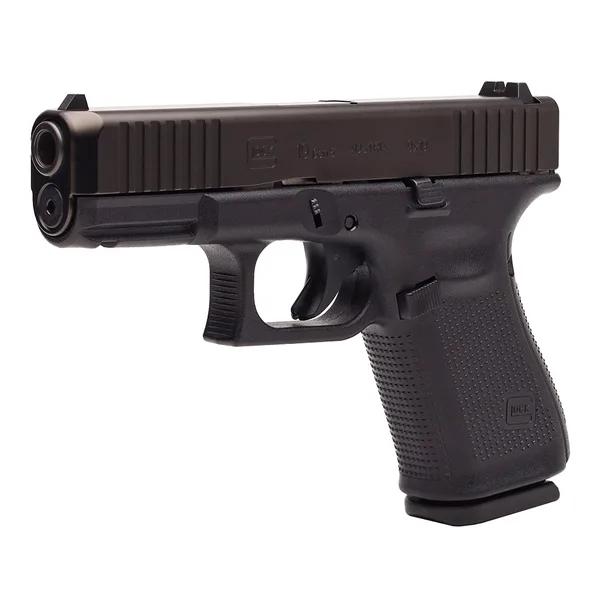
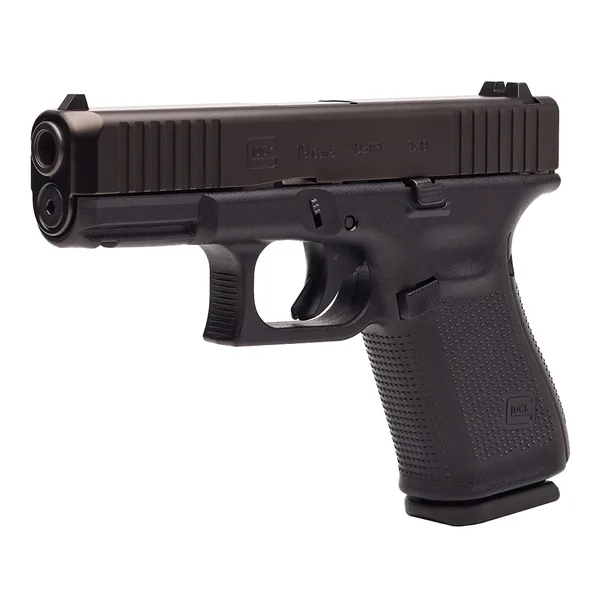
Trigger Upgrades — The Biggest Improvement
The stock Glock trigger is designed for duty reliability — it goes bang every single time. But "reliable" and "pleasant to shoot" are different things. The factory trigger has a mushy, indistinct take-up, a heavy and somewhat gritty break around 5.5-6 lbs, and a long reset. For defensive use it's adequate. For anything beyond that — competition, range accuracy, or just enjoying the shooting experience — a trigger upgrade is the single biggest improvement you can make.
The Timney Alpha is the gold standard for drop-in Glock triggers. It's a completely self-contained unit that replaces the entire trigger housing — no fitting, no gunsmithing, no polishing. Install takes about 10 minutes. The flat-face trigger shoe gives you a consistent pull with a crisp, clean break around 3 lbs and an extremely short, tactile reset. It transforms the shooting experience. The downside is price — around $150 — but it's worth every penny if you shoot regularly.
Overwatch Precision TAC is the best mid-range option at around $90. It's a trigger and connector replacement (not a full housing swap like the Timney) that gives you a flatter trigger face, reduced pre-travel, and a cleaner break. It maintains the Glock's factory safety mechanisms while significantly improving the feel. The Overwatch DAT (their higher-end version) adds an adjustable trigger shoe.
Agency Arms is the competition-grade choice. Their flat-face trigger with proprietary connector delivers an incredibly light, crisp pull. It's more than most people need for defensive or recreational shooting, but if you're running USPSA or GSSF matches, it's hard to beat. One smart practice: keep your stock trigger connector as a backup. If you ever need to return the pistol to factory spec (warranty work, sale, legal considerations), having the original parts on hand saves headaches.
Sights — Ditch the Plastic
Factory Glock sights are injection-molded plastic with a non-luminous dot-and-bucket sight picture. They work for basic aiming, but they're fragile, hard to see in low light, and will chip or break if you use them to rack the slide off a belt or surface. Upgrading to steel sights with tritium inserts is one of the most practical improvements you can make — and it's relevant whether you carry the gun, compete with it, or just shoot at the range.
Trijicon HD XR is the most popular aftermarket Glock sight set for good reason. The front sight has a bright orange ring around a tritium vial that glows green in the dark. The rear sight is blacked out with two smaller tritium dots. This gives you a fast, high-contrast front sight in daylight (that orange ring draws your eye immediately) and a clear three-dot tritium picture in darkness. The "XR" version has a thinner front sight post than the original HD, giving you more precise aiming at distance. Around $120.
Ameriglo Bold sights are the best value option at around $75-85. The front sight is a large, bright-painted dot (usually orange or green) with a tritium center. The rear is a wide U-notch that makes front sight acquisition fast and intuitive. They're not quite as refined as Trijicons, but they're steel, they glow in the dark, and they do the job.
Night Fision is a newer brand that's built a strong reputation for bright, long-lasting tritium. Their sights use a unique square-rear, round-front sight picture that many shooters find faster for target transitions. If you're planning to run a red dot optic on your slide, choose suppressor-height sights — they sit taller and co-witness with the red dot window, giving you a backup aiming reference if the optic fails or the battery dies. Dawson Precision makes excellent suppressor-height options as well.
Barrels & Compensators
A threaded barrel opens up the option to run a compensator, which redirects muzzle gas upward to reduce muzzle flip. This keeps the front sight (or red dot) on target between shots, allowing faster follow-up shots. For range and competition use, it's a great upgrade. For concealed carry, compensators add length and blast — most people skip them for CCW guns.
Agency Arms Mid-Line barrel is a match-grade drop-in barrel with tight tolerances for improved accuracy. The fluted exterior reduces weight and looks great. Faxon flame-fluted barrels are another excellent option — they're match-grade with a unique aesthetic. Both run around $150-180. For a budget barrel upgrade, the Lone Wolf AlphaWolf threaded barrel at around $100 is solid and reliable.
For compensators, the Agency Arms 417 is the most popular single-port comp — it's compact, effective, and well-made. The Parker Mountain Machine JTTC (Jet Tipped Threaded Comp) is the enthusiast's choice — it's remarkably flat-shooting and works best with heavier 147-grain ammo. The Arc Division Sparc is a newer option that's gaining traction for its slim profile that doesn't extend beyond the slide width.
Important consideration: compensators change the recoil impulse and require consistent ammo to function well. Most comps are tuned for 124-grain or 147-grain loads. Light 115-grain target ammo may not generate enough gas pressure for the comp to work effectively, and in some cases can cause cycling issues. If you go the comp route, test with your intended ammo and be prepared to adjust your recoil spring weight if needed.
Guide Rods & Springs
The factory Glock guide rod is a two-piece polymer assembly with a single recoil spring. It works, but it can flex under cycling and the captured spring limits your ability to tune recoil. A stainless steel guide rod is a simple upgrade that adds weight to the front of the gun (improving balance and slightly reducing muzzle flip) and provides a more rigid platform for the recoil spring.
A captured dual-spring or tungsten guide rod assembly takes this further. The dual-spring design uses a primary spring and a secondary spring that engage at different points in the cycling process, resulting in smoother recoil and more consistent slide velocity. Tungsten guide rods are heavier than steel, putting more weight forward for additional muzzle control.
For most shooters, this is a "nice to have" rather than a "need to have" upgrade. If your Glock runs reliably and you're happy with the recoil impulse, a guide rod swap isn't going to transform your shooting. Put that money toward a trigger or sights first. Where it becomes more relevant is if you're running a compensator (you may need to adjust spring weight for reliable cycling) or if you're shooting competition and want every edge in recoil management.
Brands to consider: Glockstore has a wide selection of stainless and tungsten options. NDZ Performance offers affordable stainless rods. For competition, the Springco recoil management system lets you mix and match spring weights to perfectly tune your setup for your ammo and compensator combination.