Choosing Your Platform
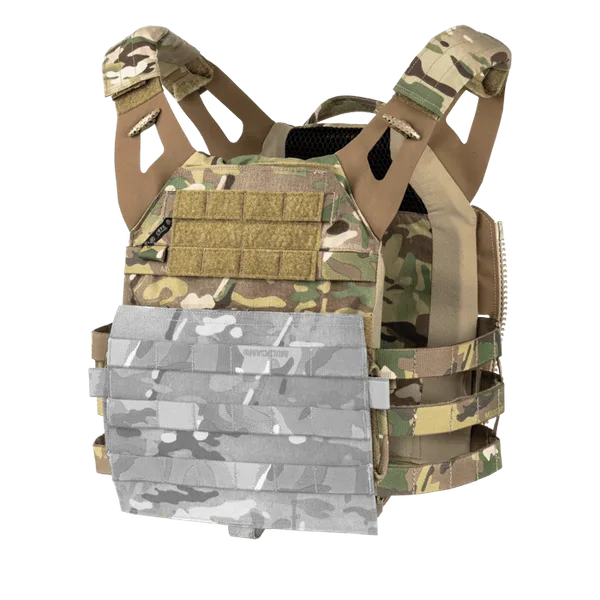
Three main load-bearing platforms exist, and each serves a different purpose. The plate carrier is the most protective option — it holds ballistic plates (front and back, sometimes side) and distributes the weight across your shoulders and cummerbund. A loaded plate carrier with Level IV ceramic plates, magazines, and accessories will weigh 20-30 lbs. It's the standard for military, law enforcement, and serious range training where protection matters.
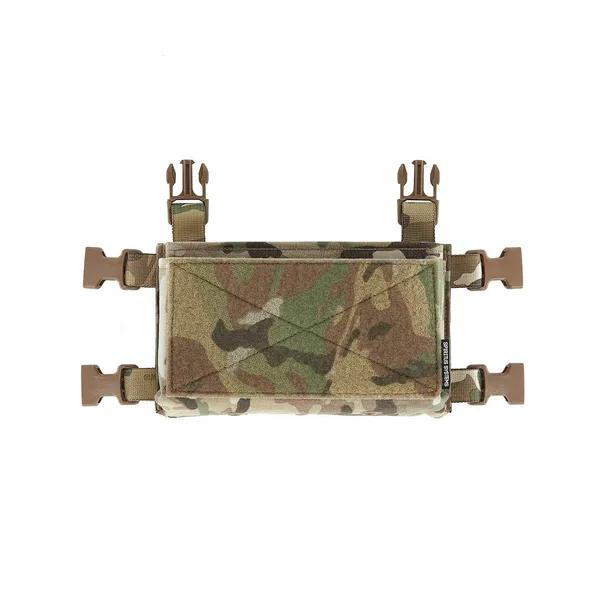
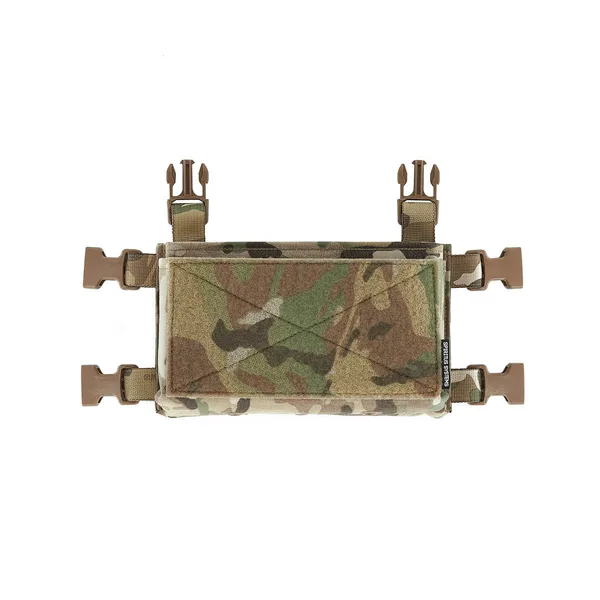
The chest rig is a lightweight alternative that holds magazines and essentials without ballistic plates. It sits on your chest and is held in place by shoulder straps and a back strap or H-harness. A loaded chest rig weighs 5-10 lbs. It's ideal for reconnaissance, long-distance movement, hunting, and situations where mobility matters more than protection. The Haley Strategic D3CRM and Spiritus Systems Micro Fight are the two dominant chest rig platforms.
The battle belt is the third option — a padded, rigid belt worn at the waist that holds a holster, pistol magazines, rifle magazines, IFAK, and utility pouches. It provides the fastest access to gear (everything is at your waist level, accessible by either hand) and pairs well with both plate carriers and chest rigs. Many setups use a belt plus one of the other platforms.
Your decision should be driven by purpose. Range training and tactical courses: plate carrier — you'll be standing and shooting, and instructors often require them. Outdoor events, hiking with gear, airsoft: chest rig — light and mobile. Home defense staging: battle belt — grab and go, everything accessible. There's no wrong answer, just different tools for different missions.
MOLLE Placement Strategy
MOLLE (Modular Lightweight Load-carrying Equipment) is the grid of webbing on your carrier or rig that allows you to attach pouches and accessories. The standard MOLLE grid uses 1-inch channels spaced 1 inch apart. Pouches weave through these channels and secure with snaps or other fasteners on the back. Planning your MOLLE layout before attaching anything saves you from re-doing it later.
The front panel is your primary real estate. Strong-side (your shooting hand side) gets rifle magazine pouches — typically two or three, depending on your platform width. Center chest gets an admin pouch for a phone, notepad, multitool, or small electronics. Weak side gets a general-purpose pouch for snacks, batteries, extra ammo, or a radio pouch if applicable. Keep the area directly over your sternum relatively flat — stacking too much bulk here interferes with prone shooting and can make it hard to move through tight spaces.
The cummerbund (side panels on a plate carrier) is prime space for items you need but don't need instantly: a radio, a tourniquet, small utility pouches, or side plate pockets. Some cummerbunds have built-in magazine slots (like the Ferro Concepts ADAPT system) which are lower-profile than MOLLE-attached pouches.
The back panel is for sustainment: hydration bladder, flat zip pouches for extra gear, and in some cases a larger GP pouch for a rain layer or food. Access to back-panel items requires removing the carrier or having a buddy pull things out, so don't put anything time-critical back there. The golden rule of MOLLE placement: don't fill every space just because you can. Empty MOLLE channels weigh nothing. Unnecessary pouches weigh you down and slow you down.
Magazine Positioning
Rifle magazine placement is arguably the most important layout decision. Magazines should be on your strong side (dominant hand side), positioned so you can reach them with your non-firing hand during a reload. The standard reload: your firing hand stays on the pistol grip, your support hand reaches to the chest, grabs a mag, and inserts it into the magazine well. Practice this dry to find the exact position that feels natural.
Index-style magazine pouches (like Esstac KYWIs) use kydex inserts inside a cordura shell. You push the magazine in and it clicks into retention — pull it out with a firm tug. No flaps, no bungees, no velcro to deal with. This is the fastest and most popular retention method. Esstac KYWIs come in single, double, and triple configurations and fit virtually any MOLLE platform. They are the gold standard for speed and reliability.
Ferro Concepts Turnover pouches offer a modular system where the same pouch body accepts different inserts — kydex, flap, or bungee. This lets you adjust retention level based on activity. Low retention for flat range speed, higher retention for movement-intensive activities where you don't want magazines bouncing out.
Pistol magazines typically go on your weak side or on a battle belt. They're smaller and lighter, so belt mounting works well — it keeps your chest less cluttered and puts pistol mags at a natural hand-drop position. If you run them on your chest, keep them next to your rifle mags on the inboard side. Angled magazine pouches (canted slightly toward your centerline) make the draw motion more ergonomic, especially for rifle mags.
IFAK & Medical
An Individual First Aid Kit (IFAK) is not optional on any serious loadout. Gunshot wounds, lacerations, falls — things can go wrong at the range, in the field, or in training. Having medical gear and knowing how to use it is as important as the rest of your loadout combined. Take a Stop the Bleed course at minimum. A Tactical Combat Casualty Care (TCCC) course is better.
The most critical item is a tourniquet, and it must be accessible with one hand — either hand. Belt-mounted is the preferred position because you can reach it whether you're standing, kneeling, seated, or on your back. The CAT Gen 7 (Combat Application Tourniquet) from North American Rescue is the standard. Accept no substitutes or knockoffs — counterfeit tourniquets have failed and caused deaths. Buy directly from NAR or an authorized dealer. Carry at least one on your belt, staged with the windlass ready (time band pulled through, velcro set for rapid application).
Your IFAK pouch should contain at minimum: one chest seal (HyFin Vent Compact twin-pack covers entry and exit wounds), one hemostatic gauze (QuikClot Combat Gauze, Z-fold for wound packing), one emergency pressure bandage (Israeli bandage — 6-inch), and one nasopharyngeal airway (NPA, 28Fr with lube packet). This covers the major preventable causes of death from trauma: massive hemorrhage, tension pneumothorax, and airway obstruction.
Mount your IFAK where you can reach it under stress. Common positions: non-firing side of the plate carrier cummerbund, the 6 o'clock position on a battle belt, or a dedicated IFAK pouch on the back panel that's designed for rip-away access. The Blue Force Gear Micro Trauma Kit NOW! and the LBT 9022B are both excellent purpose-built IFAK pouches. Whatever pouch you choose, practice opening it and deploying contents blindfolded — you may need to do it in the dark, under stress, with bloody hands.
Weight Distribution
A poorly balanced loadout is exhausting and slow. A well-balanced loadout feels lighter than it actually is because the weight is distributed properly across your frame. The goal is to keep heavy items close to your body's center of mass and distribute weight evenly left to right.
Your heaviest items (ballistic plates, full magazines) should sit as close to your torso as possible. This is why plate carriers work — the plates are pressed flat against your chest and back, and magazines sit in pouches directly on the front panel. Anything that dangles, swings, or extends away from your body creates leverage that fights your movement. This is why dump pouches, loose sling attachments, and overstuffed admin pouches are problems — they shift and bounce during movement.
Left-right balance matters more than most people realize. If all your rifle magazines are on one side and nothing is on the other, you'll list to one side when running. The natural solution: rifle mags on your strong side, balance them with utility items on your weak side. A full 30-round 5.56 magazine weighs about 1 lb — three magazines is 3 lbs on one side of your chest. A radio, multitool pouch, and IFAK on the opposite side roughly balances that out.
The acid test: put on your full loadout and run 100 meters at a sprint. Whatever bounces, shifts, or makes noise needs adjustment. Tighten straps, add bungee retention, or reposition items. Then do 10 burpees. If anything falls out of a pouch or shifts to a position that prevents you from reaching it, fix it. A good target for total loaded plate carrier weight is under 25 lbs (including plates). For a chest rig, aim for under 10 lbs. For a battle belt, under 8 lbs. If you're over those numbers, ask yourself what you can leave behind.